

For participants
Living on the Florida Panhandle
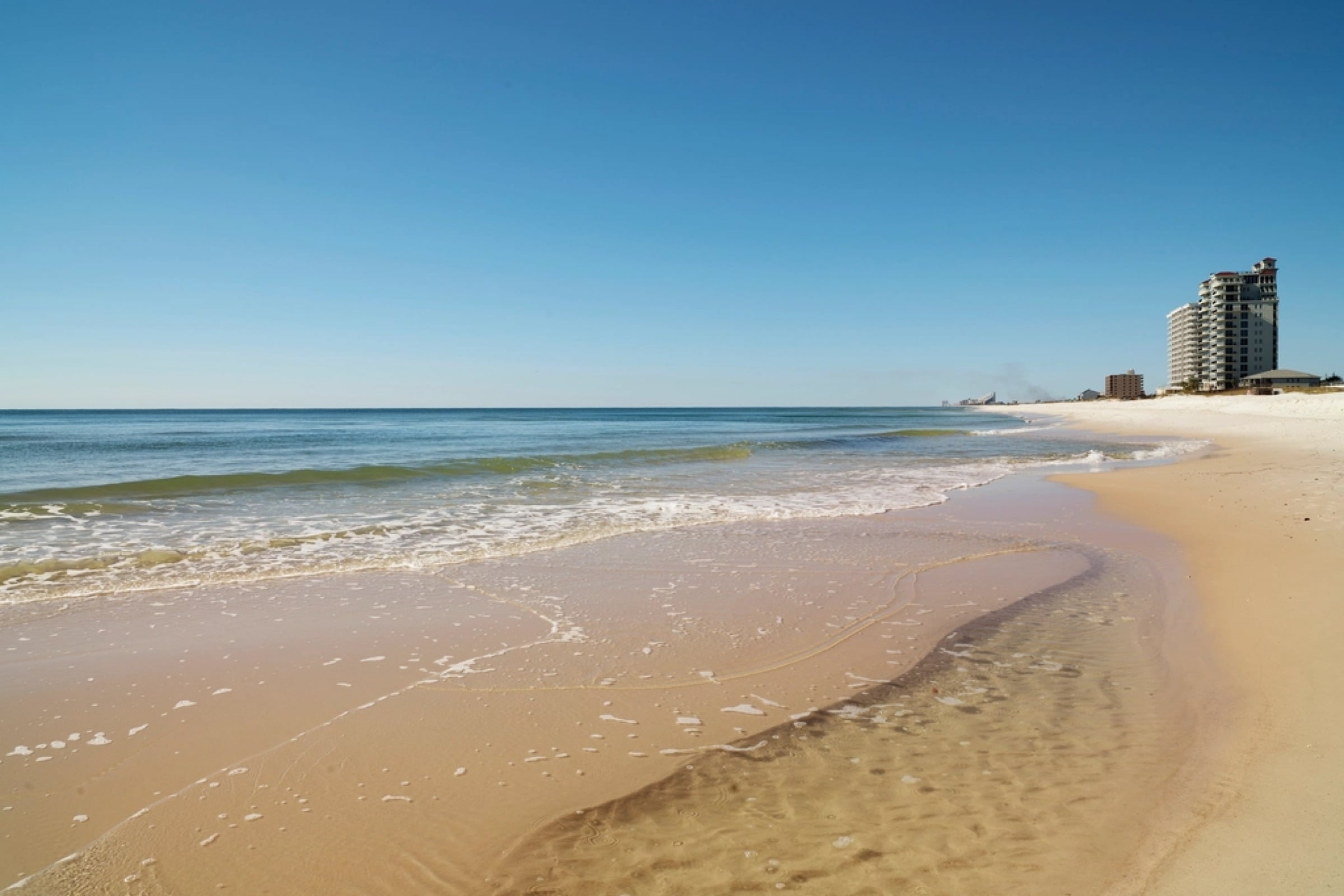
White sand, warm water and busy summers. Here is what to know about living and working on the Panhandle.
Where you will be
The Florida Panhandle is the stretch of Gulf coast in northwest Florida, from Pensacola in the west to Panama City in the east. Alto works in ten cities along it: Pensacola, Navarre, Fort Walton Beach, Niceville, Crestview, Destin, Miramar Beach, Santa Rosa Beach, Panama City Beach and Panama City. Summer brings crowds of visitors, which is why stores, restaurants and resorts need extra help.
Weather
Summers are hot and humid, with frequent afternoon thunderstorms. Winters are mild, with occasional cold snaps.
Hurricane season runs from June 1 to November 30. If a storm threatens, follow local official instructions and tell us and your sponsor where you are.
Staying safe and healthy
Beach flags
Gulf beaches can have strong rip currents. Swim near lifeguards, and check the beach warning flags before you go in the water. A red flag means high hazard; a double red flag means the water is closed.
Heat and sun
Drink water through the day, wear sunscreen and rest in the shade. Tell your lead if you feel unwell at work.
Lightning
Summer storms bring lightning. When you hear thunder, leave the beach or the pool and go indoors.
Emergencies
Call 911 for police, fire or an ambulance. Then tell your sponsor and us.
Getting around
Distances along the coast are long and public transport is limited. We plan how you get to work before you arrive, so you do not need a car. Bicycles are common near the beach; use lights at night and stay on paths where there are any.
Your free time
The Panhandle has some of the best beaches in the United States, state parks with freshwater springs and trails, and busy summer events in the beach towns. Ask your housing coordinator about safe ways to get to them.
Common questions
Do I need a car?
No. We plan how you get to work before you arrive.
What should I pack?
Light clothes for the heat, a rain jacket, comfortable closed-toe shoes for work, sunscreen and any medicine you take.
What happens if a hurricane comes?
Follow local official instructions and evacuation orders, and tell us and your sponsor where you are, so we know you are safe.